
Digital CBI Monitoring after TURP/TURBT
Continuous bladder irrigation (CBI) is standard of care following TURP/TURBT. However, in clinical practice, monitoring is still often performed intermittently and subjectively.
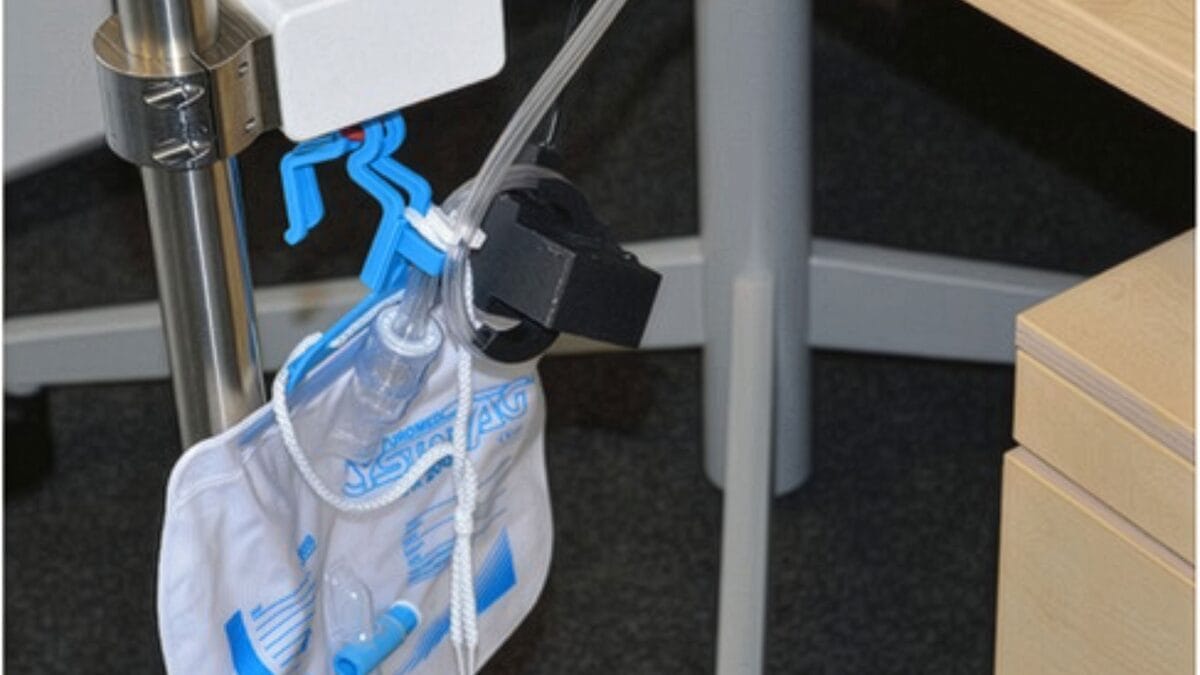
A prospective feasibility study evaluated whether key CBI parameters—such as inflow/outflow volumes and changes in irrigation fluid coloration—can be captured continuously and reliably using a digital, sensor-based system.
Study at a Glance: Design and Methods
| Design | Prospective feasibility study |
| Population | n = 20 (TURBT n=11, TURP n=9) |
| Duration | ~ 4 hours |
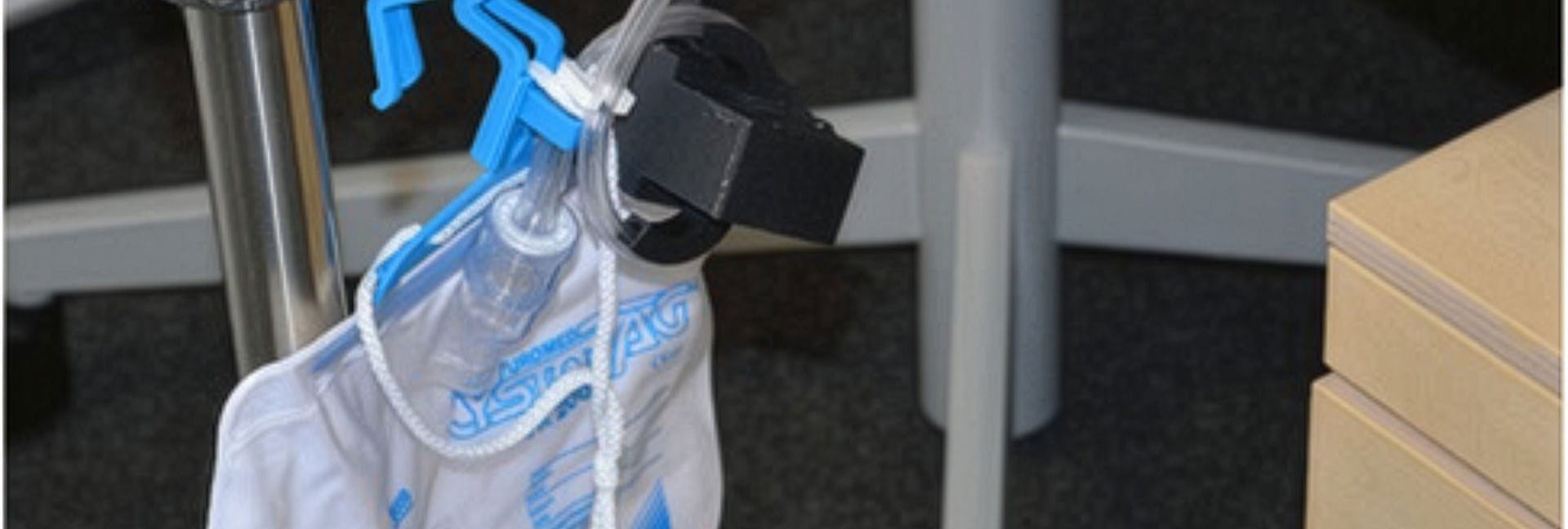
| Sensor technology | In-/Outflow (weight-based), irrigation fluid coloration (optical) |
| Reference | Manual measurements every 20 minutes; BGA selectively |
Key Findings on Digital CBI Monitoring
The analysis focused on four key aspects of digital CBI monitoring considered particularly relevant for clinical practice. The findings can be summarized into four areas::
- Volume measurement (inflow/outflow):
Sensor-based measurement of inflow and outflow showed high agreement with manual reference measurements. Deviations were in the range of only a few milliliters.
- Changes in irrigant coloration over time:
Variations in irrigation fluid color were continuously captured as a time course and showed qualitative consistency with the available reference data.
- Flow irregularities:
The system detected events such as drainage interruptions or air bubbles, which were confirmed clinically at the bedside.
- Patient acceptance:
13 out of 20 patients preferred sensor-based monitoring over purely visual assessment.
Relevance for Clinical Practice
The findings suggest that continuous, objective monitoring of key CBI parameters is technically and organizationally feasible in routine clinical care. Inflow/outflow dynamics and changes in irrigation fluid coloration are visualized in an interpretable manner and can be tracked over several hours.
For clinical practice, this may imply:
- ✓
Objective longitudinal data instead of isolated observations
- ✓
Earlier indication of flow abnormalities possible
- ✓
Improved handovers between shifts
- ✓
A structured data basis for documentation and quality assurance
Authors’ Interpretation: The authors discuss that continuous monitoring of CBI parameters may enable earlier recognition of complications and support clinical decision-making. They further highlight the potential to reduce workload in nursing practice -particularly during night shifts or high-demand periods - and to increase transparency and traceability in documentation processes.
From Study Prototype to Clinical Application: filaxONE
The system evaluated in the study has since been further developed into the next-generation solution and is now available as filaxONE.The clinically evaluated sensor technology forms its technical core and has been complemented by additional features designed for routine clinical operation.
The aim is to transform CBI from a phase that is traditionally difficult to document into a transparent and measurable component of the urological care pathway—providing a structured basis for clinical decisions, nursing workflow organization, and quality management.

Medical disclaimer
The content of this article is intended solely for general information about clinical workflows in urology. It does not constitute medical advice or clinical recommendations. Clinical decisions should always be based on applicable guidelines and the individual situation of the patient.
Author: Filax Medical Editorial Team
The Filax Medical editorial team develops content on clinical workflows, process optimisation and digital solutions in urology. Contributions are based on clinical practice insights, scientific literature and exchange with clinical partners.
Last updated: January 2026
--->